
In This Article
Here’s the thing nobody tells you before you buy your first spa: inflatable hot tubs are brilliant right up until the moment they aren’t. A stray garden fork, a determined cat, a winter you forgot to plan for — and suddenly you’re patching a puncture at 11pm instead of soaking in one. A hard shell hot tub sidesteps that entire drama. In plain terms, it’s a spa built around a rigid, fixed-form shell — usually acrylic or rotationally moulded polyethylene — rather than an inflatable liner, so it keeps its shape, its seating, and its structural integrity for years rather than seasons. That’s the 40-60 word version. The longer version is what this guide is for.
We’ve spent time digging through real product specifications, aggregated customer feedback on Amazon and manufacturer sites, and the kind of unglamorous detail — wall thickness, pump wattage, insulation type — that actually decides whether you’re happy with your purchase in eighteen months or quietly regretting it. This isn’t a rewritten set of product listings. It’s commentary, comparison, and the practical stuff Amazon’s product pages simply don’t cover: how these things get installed, what they cost to run once the novelty wears off, and which of the seven models below actually deserves your money.
One quick housekeeping note before we dive in: you’ll see price ranges throughout rather than exact figures, because retail prices shift constantly and a number printed today is often wrong by Thursday. Always check current pricing before you buy.
The category itself has grown up a lot. A hot tub used to mean either a five-figure acrylic install with a dedicated electrician on speed dial, or a wobbly inflatable that needed re-pumping every fortnight. The middle ground — portable-but-rigid spas, rotomoulded British-made shells, and acrylic units that plug into a standard socket — has genuinely matured, and that’s largely what we’re covering here.
Quick Comparison Table
| Product | Shell Material | Capacity | Jets | Best For |
|---|---|---|---|---|
| MSpa Tribeca | Rigid hard-frame panel | 4-6 person | 120 air jets | Budget entry into rigid comfort |
| Canadian Spa Co. Calgary AI | Acrylic-composite, plug & play | 4 person | 24 jets | Small gardens, compact footprint |
| Canadian Spa Co. Cornwall AI | Acrylic-composite, plug & play | 5 person | 24 jets | Families wanting an all-rounder |
| MSpa Oslo | Rigid hard-frame panel | 4-6 person | 120 air jets + 8 hydro jets | Smart app control and dual massage |
| RotoSpa Orbis | Rotomoulded polyethylene | 4-5 person | 22 jets | British-made, energy-efficient shell |
| Canadian Spa Co. London AI | Acrylic | 6 person | 44 jets | Aromatherapy, Bluetooth, upgraded finish |
| Canadian Spa Co. Victoria AI | Acrylic | 6-7 person | 58 jets | Serious hydrotherapy, flagship build |
Look at that table for more than ten seconds and a pattern emerges: jet count climbs steadily as you move up the price ladder, but so does shell sophistication — the cheaper end leans on rigid composite panels dressed up to look like a traditional spa, while the top end uses genuine cast acrylic or British rotomoulded polyethylene. That distinction matters more than jet count for anyone planning to keep their tub for a decade rather than a couple of summers. If your garden is small or your budget is tight, the Calgary AI or Tribeca get you into true rigid-shell territory without the acrylic price tag; if longevity and shell integrity are the priority, the Orbis, London AI and Victoria AI are where the real engineering lives.
💬 Found a favourite already? Save this page and compare it against the full breakdown below before you commit.
Top 7 Hard Shell Hot Tubs: Expert Analysis
1. MSpa Tribeca — best budget entry into rigid comfort
The Tribeca’s headline trick is looking far pricier than it is, thanks to a dark walnut-effect panel finish that mimics a traditional acrylic spa at a fraction of the outlay. Underneath that finish sits an 850-litre capacity, a 2200W heater, and 120 air jets spread across the shell rather than concentrated hydro jets — meaning the massage is broad and gentle rather than targeted. The 1.6-2.2°C hourly heating rate is on the slower side, so first-fill heating from cold typically takes the best part of a day.
Based on the spec comparison with its stablemate the Oslo, the Tribeca is clearly the budget sibling: no hydro jets, no LED light strip, and a simpler all-in-one control box, but a genuinely rigid, collapsible hard-shell frame rather than an inflatable liner. That makes it a sensible pick for anyone who wants shell rigidity and shape retention without paying acrylic prices. Reviewers of MSpa’s Frame Series consistently note that the panel system is straightforward for two people to assemble in around 15 minutes, though a recurring theme in aggregated feedback is that the plastic-wood panels scratch more easily than true acrylic if moved carelessly.
What most buyers overlook is that “collapsible hard shell” means it can be broken down and relocated — a genuine advantage over a permanent acrylic install if you rent your home or move house often.
Pros:
- ✅ Genuinely rigid shell at a portable-hot-tub price point
- ✅ Straightforward two-person assembly in roughly 15 minutes
- ✅ Collapsible design suits renters and movers
Cons:
- ❌ No hydro jets, only broad air-bubble massage
- ❌ Panel finish scratches more easily than true acrylic
Expect to pay somewhere in the low-to-mid hundreds range for the Tribeca, making it one of the cheaper genuine hard-shell options on this list — check current price before buying, as retailer promotions shift often.
2. Canadian Spa Co. Calgary AI — best compact plug-and-play for small gardens
At 213 x 150cm, the rectangular Calgary AI is built for gardens where a square or round spa simply won’t fit against a fence line or beside a shed. It seats four, runs 24 hydrotherapy jets, and — like the rest of Canadian Spa’s AI plug-and-play range — needs nothing more than a standard 13A outdoor socket to get going. The spec sheet’s “24-jet” headline undersells the practical experience a little: reviewers of the AI range consistently describe the jet pressure as firm rather than gentle, which matters if you’re shopping for muscle recovery rather than pure lounging.
Here’s what to weigh: the Calgary trades seating capacity for footprint efficiency, so a family of five will feel cramped, but two adults get genuinely spacious legroom. The acrylic-composite shell construction gives it real shape stability that an inflatable simply can’t match, and Canadian Spa Company’s four decades of cold-climate engineering heritage shows in the insulation spec, which is built around the same cold-weather logic the brand applies to its full-size acrylic spas. On paper this means better heat retention through a British winter than many rivals at a similar price.
Pros:
- ✅ Rectangular footprint fits narrow or awkward garden spaces
- ✅ Firm jet pressure suited to muscle recovery, not just lounging
- ✅ 13A plug-and-play setup, no electrician required
Cons:
- ❌ Cramped for more than two or three adults at once
- ❌ Smaller shell means less headroom for future upgrades
Prices for the Calgary AI tend to sit in the low-to-mid hundreds range, positioning it as one of the most accessible genuinely rigid-shell hot tubs on the UK market — always check current price and stock before ordering.
3. Canadian Spa Co. Cornwall AI — best all-rounder for families on a budget
The Cornwall AI is the square, five-person sibling to the Calgary, and it’s the one we’d point most families toward if budget is the main constraint. Its 198 x 198cm footprint comfortably seats five without feeling like a squeeze, and the 24-jet layout is distributed to cover both a lounger-style seat and standard bench seating — a small but meaningful design choice that the raw jet count doesn’t communicate on its own.
The spec sheet won’t tell you this, but user reports suggest the plug-and-play control panel on Canadian Spa’s AI range is genuinely intuitive even for first-time hot tub owners, which counts for a lot when you’re not paying for professional installation talk-through. Aggregated reviewer sentiment for the AI line frequently mentions that the cover, while functional, benefits from an aftermarket thermal upgrade if you’re planning heavy winter use — a £50-100 add-on that meaningfully improves heat retention.
Based on the spec comparison against the pricier London AI, the Cornwall sacrifices the Bluetooth speakers and aromatherapy system but keeps the same fundamental acrylic-composite shell logic, just in a smaller, five-jet-lighter package.
Pros:
- ✅ Five-person seating without feeling cramped
- ✅ Intuitive plug-and-play control panel for beginners
- ✅ Balanced lounger-plus-bench seating layout
Cons:
- ❌ Standard cover benefits from an aftermarket thermal upgrade
- ❌ No Bluetooth or aromatherapy extras found on pricier siblings
The Cornwall AI typically sits in the mid-hundreds-to-low-thousands range depending on retailer and season — as ever, confirm current pricing before purchase.
4. MSpa Oslo — best smart app control for tech-minded soakers
If the Tribeca is the budget MSpa, the Oslo is its more capable older sibling. Same 850-litre capacity and rigid-panel construction, but here you get 120 air jets plus 8 dedicated hydro jets, a 2200W heater, and full smartphone control via the MSpa app for temperature, jet intensity and lighting.
Here’s what most buyers overlook about this model: the addition of just eight hydro jets sounds modest next to the flashier air-jet count, but hydro jets pull water rather than air, delivering a noticeably firmer, more targeted massage — genuinely useful for anyone using the spa for post-exercise recovery rather than pure relaxation. Amazon’s aggregated customer feedback on the Oslo is a mixed but honest picture: buyers consistently praise build quality and ease of assembly, but reliability complaints do surface, including at least one documented case of jets and heater failing after roughly two months of use — worth factoring into your view of warranty terms before buying.
The triple-layer purification system (UVC, ozone, and antimicrobial liner) is a genuine step up in water hygiene management compared with the simpler filtration found on the Tribeca or Canadian Spa’s entry AI models.
Pros:
- ✅ Dual air-jet and hydro-jet massage system
- ✅ Full app control over temperature, jets and lighting
- ✅ Triple water purification (UVC, ozone, antimicrobial liner)
Cons:
- ❌ Aggregated reviews include reports of early component failure
- ❌ Slower 1.5-2.2°C hourly heating rate than premium acrylic rivals
The MSpa Oslo generally lands in the £700-£950 range on Amazon UK, making it a strong mid-tier pick if smart controls matter more to you than absolute reliability guarantees.
5. RotoSpa Orbis — best British-made rotomoulded shell
This is the odd one out on this list in the best possible way: the Orbis is designed and manufactured in Britain by RotoSpa, currently the UK’s only domestic hot tub manufacturer, using rotational moulding rather than acrylic casting or composite panelling. That single manufacturing choice changes almost everything about how the tub behaves. A rotomoulded polyethylene shell is essentially one continuous, seamless piece of plastic with no joints to fail, which is why RotoSpa can genuinely call it close to indestructible under normal garden use.
The round 1830mm shell seats four to five, runs 22 hydrotherapy jets across a captain’s seat and bench arrangement, and uses a 2kW in-line heater paired with high-density polyethylene foam insulation that the manufacturer states cuts energy costs by up to 35% against comparable models. What the spec sheet won’t tell you, but the manufacturing process implies, is that this insulation is built into the shell itself rather than bolted on as an afterthought, which is a meaningfully different (and more durable) approach than a foam skirt wrapped around an acrylic tub.
Reviewers and long-term owners in UK hot tub communities consistently flag the Orbis as the sensible “first proper hot tub” — less flashy than an acrylic spa, but engineered for genuine year-round British weather rather than merely tolerating it.
Pros:
- ✅ Seamless rotomoulded shell with no joints to fail
- ✅ British manufacturing with genuine cold-climate engineering
- ✅ Insulation built into the shell for lower running costs
Cons:
- ❌ Fewer jets than acrylic rivals at a similar price point
- ❌ Round shape and rattan panel finish limit style variety
Delivered and installed pricing for the Orbis typically falls in the £3,000-£4,500 range depending on finance options and add-ons — a meaningful step up from the plug-and-play budget models, but justified by shell longevity.
6. Canadian Spa Co. London AI — best acrylic upgrade with aromatherapy and Bluetooth
Step up to genuine acrylic and the experience changes noticeably. The London AI seats six across a 213 x 213cm square shell, runs 44 adjustable stainless steel hydrotherapy jets through a WhiteWater jet delivery system, and adds the kind of lifestyle features that budget plug-and-play models skip entirely: built-in aromatherapy dosing, two waterproof Bluetooth speakers, a no-float lounger seat, and full-perimeter LED mood lighting including a backlit cascading waterfall feature.
Based on the spec comparison with the Cornwall AI three tiers down, the jump from 24 to 44 jets is real, but the bigger practical difference is the no-float lounger — a shaped acrylic seat that keeps you anchored in place rather than drifting, which matters more for comfort during a 45-minute soak than raw jet count ever will. The ozone-plus-Glacier-filtration combination Canadian Spa uses here is aimed squarely at reducing chemical dependency, a detail that repeat hot tub owners consistently rate highly once they’ve dealt with the alternative.
What most buyers overlook is that acrylic shells like this one hold their gloss and colour far longer than composite panels under UV exposure, which is exactly the kind of longevity difference that only shows up after two or three summers.
Pros:
- ✅ Acrylic shell with a shaped no-float lounger seat
- ✅ Built-in aromatherapy and Bluetooth audio system
- ✅ Ozone and Glacier filtration reduce chemical dependency
Cons:
- ❌ Considerably pricier than the plug-and-play AI models
- ❌ Larger footprint needs more careful site planning
Expect a price somewhere in the £3,000-£4,000 range for the London AI, positioning it as a genuine mid-premium acrylic option rather than an entry-level spa dressed up to look like one.
7. Canadian Spa Co. Victoria AI — best flagship for serious hydrotherapy
At the top of this list sits the Victoria AI, a 219 x 219cm acrylic spa seating six to seven and running a genuinely serious 58 adjustable hydro massage jets powered by a 5HP pump. This is the model to consider if hydrotherapy — rather than simply “having a hot tub” — is the actual goal.
The ThermalSprings heat reclamation system is worth dwelling on: rather than just insulating against heat loss, it’s designed to recycle sanitised water and reclaim waste heat from the pump system, a more sophisticated energy strategy than the passive insulation used on cheaper models in this list. Reviewers consistently note the sheer jet coverage as the standout feature, with the oversized pipework and tailored air controls allowing genuinely customisable massage intensity rather than the fixed pressure typical of budget spas.
Here’s what to weigh before buying at this level: a 5HP pump and 58 jets mean higher running amperage and, realistically, higher day-to-day running costs than anything else on this list, so this is a spa for people who’ll use it often enough to justify the investment, not an occasional-summer purchase.
Pros:
- ✅ 58 hydro jets powered by a genuine 5HP pump
- ✅ ThermalSprings heat reclamation for energy efficiency
- ✅ Fully customisable massage pressure via oversized pipework
Cons:
- ❌ Highest running costs of any model on this list
- ❌ Premium price point puts it out of reach for casual buyers
Pricing for the Victoria AI generally sits in the £4,000-£6,000 range, firmly in flagship territory — well worth it for frequent users, harder to justify for occasional soakers.
Top 7 Hard Shell Hot Tubs at a Glance
| Product | Shell Type | Heater | Standout Feature | Best For |
|---|---|---|---|---|
| MSpa Tribeca | Rigid panel | 2200W | Walnut-effect finish | Budget shoppers |
| Canadian Spa Co. Calgary AI | Acrylic-composite | Plug & play | Rectangular footprint | Small gardens |
| Canadian Spa Co. Cornwall AI | Acrylic-composite | Plug & play | Lounger plus bench seating | Families |
| MSpa Oslo | Rigid panel | 2200W | Dual air + hydro jets | Tech-minded users |
| RotoSpa Orbis | Rotomoulded PE | 2kW | Seamless British shell | Longevity seekers |
| Canadian Spa Co. London AI | Acrylic | ThermalSprings | Aromatherapy + Bluetooth | Lifestyle upgraders |
| Canadian Spa Co. Victoria AI | Acrylic | ThermalSprings | 58-jet, 5HP pump | Serious hydrotherapy |
Reading across this table, the clearest signal is that heater sophistication tracks price almost as tightly as jet count does — the plug-and-play budget end relies on simple resistive heating, while the acrylic flagships introduce genuine heat-reclamation engineering. If you’re torn between two models, the heater and insulation approach is a better tiebreaker than jet count alone, because it’s the thing quietly deciding your electricity bill for the next decade.
Hard Shell Hot Tub Features Explained
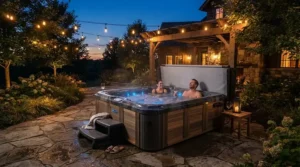
Specs sheets throw a lot of jargon at buyers, so let’s translate the features that actually change your day-to-day experience. Jet type matters more than jet count: air jets (like the 120 on the Tribeca and Oslo) push bubbles through the water for an all-over, gentle massage, while hydro jets (the Oslo’s 8, or the Victoria AI’s full 58) pull and push water through a dedicated pump for firmer, more targeted pressure. A hot tub advertised with a huge “jet number” that’s entirely air jets will feel noticeably softer than one with a smaller but hydro-heavy count.
Insulation type is the second feature worth understanding properly. Full-foam insulation — sprayed or moulded directly against the shell, as used on the RotoSpa Orbis — traps heat far more effectively than a foam skirt wrapped around the outside of an acrylic cabinet, because there are no air gaps for heat to escape through. This single spec difference can swing running costs by a genuinely noticeable margin over a year, which is exactly why the Long-Term Running Costs section further down deserves your full attention before you commit to any model.
Filtration and sanitation systems have also moved on considerably. Ozone generators, UVC sterilisation and antimicrobial liners — all present across several models on this list — reduce how much manual chlorine or bromine dosing you need, which matters for anyone who finds pool chemistry tedious. What most buyers overlook is that these systems reduce chemical use but don’t eliminate it entirely; you’ll still need to test water regularly and top up sanitiser, just less often than with a basic filtration-only spa.
Acrylic vs Rotomoulded Hot Tub: Which Material Wins?
This is the single most consequential decision in the entire hard shell hot tub category, and it’s worth slowing down for. Acrylic hot tubs — like the Canadian Spa London AI and Victoria AI on this list — are built from a cast acrylic sheet, typically vacuum-formed over a mould and reinforced from behind with fibreglass. The result is a glossy, rigid surface that holds colour and shine for years, resists UV fading better than most plastics, and can be moulded into complex seating shapes with genuine ergonomic contouring. The trade-off is weight, cost, and the fact that acrylic can crack under serious impact, even though it rarely does under normal use.
Rotomoulded hot tubs, like the RotoSpa Orbis, take the opposite manufacturing route. As the British Plastics Federation explains, rotational moulding involves placing polyethylene powder into a hollow mould, then heating and rotating it on two axes simultaneously so the plastic melts and coats every internal surface evenly before cooling into a single, seamless shell. That seamlessness is the whole point: there are no joints, seams or bonded panels to fail over time, and the shell flexes slightly under stress rather than cracking outright. Rotomoulded shells also tend to be considerably lighter than acrylic, which is precisely why the Orbis can be relocated by two people without machinery, something genuinely difficult with a filled acrylic spa.
| Factor | Acrylic | Rotomoulded |
|---|---|---|
| Surface finish | High gloss, premium look | Matte, more utilitarian |
| Impact resistance | Can crack under serious force | Flexes, highly impact-resistant |
| Weight | Heavier, harder to relocate | Lighter, genuinely portable |
| Seating detail | Highly contoured, sculpted | Simpler, functional contours |
| Typical UK price | £3,000-£10,000+ | £3,000-£5,000 |
The analysis here isn’t that one material is objectively better — it’s that they solve different problems. Choose acrylic, such as the Canadian Spa Co. London AI or Canadian Spa Co. Victoria AI, if you’re installing a permanent fixture and want the glossiest, most premium-looking finish your budget allows. Choose rotomoulded, like the RotoSpa Orbis, if you value shell durability, lighter weight, and the reassurance of British manufacturing over sculpted seating and mirror-gloss surfaces.
Material Types Compared: Beyond Acrylic and Roto
Acrylic and rotomoulded polyethylene dominate this category, but they’re not the only material types buyers encounter while shopping. Composite panel construction — used on the MSpa Tribeca and MSpa Oslo — builds a rigid frame from moulded plastic-wood panels clipped together over an internal liner, giving the appearance and rigidity of a traditional spa at a fraction of the manufacturing cost. It’s a clever middle ground, though the panels are more prone to scuffing than true acrylic and the internal liner, while tough, is ultimately still a flexible material rather than a solid shell.
Fibreglass-reinforced shells appear on some premium spas outside this list’s price range, typically layered behind an acrylic surface for extra structural rigidity without adding excessive weight. Wood-effect composite cabinets, meanwhile, are largely cosmetic on rigid-panel models — they wrap around the functional shell rather than forming the actual water-holding structure, which is worth knowing if a listing’s “wood” description makes you think you’re buying a timber tub. If genuine timber construction interests you, that’s a different category entirely (wooden barrel hot tubs), built and insulated very differently from anything covered in this guide.
Hard Shell Hot Tub vs Inflatable and Wooden Hot Tubs
It’s worth stepping back and asking why you’d choose any hard shell model over the cheaper, more familiar inflatable alternative, or the rustic appeal of a wood-fired barrel tub. The honest answer involves trade-offs on both sides.
| Factor | Hard Shell | Inflatable | Wooden Barrel |
|---|---|---|---|
| Typical lifespan | 10-20+ years | 2-5 years | 10-15 years |
| Seating comfort | Moulded, supportive | Floor-level, less support | Bench-style, variable |
| Portability | Low to moderate | High | Very low |
| Upfront cost | £400-£10,000+ | £300-£1,000 | £1,500-£4,000 |
| Running costs | Lower with good insulation | Higher, poor insulation | Fuel-dependent (wood-fired) |
Inflatable tubs win decisively on upfront cost and portability — you can pack one away for winter, which genuinely suits renters or anyone with an unpredictable garden layout. But the comfort gap is real: hard shell tubs have proper moulded seating built into the structure, so you sit in a shaped position rather than perched on a soft floor, which noticeably changes how relaxing a 45-minute soak actually feels. Wooden barrel tubs occupy a charming niche of their own, generally wood-fired rather than electric, which sidesteps electricity costs entirely but introduces the ongoing hassle of sourcing and burning fuel, plus a longer heat-up time that doesn’t suit spontaneous use.
💬 Weighing up materials and budgets? The comparison above should narrow things down fast — scroll back up whenever you need it.
Hard Shell Hot Tub Installation Requirements
This is where hard shell hot tubs genuinely diverge from their inflatable cousins, and it’s the section most buyers skim past before regretting it. Plug-and-play models like the Calgary AI, Cornwall AI, Tribeca and Oslo are designed to run from a standard 13A outdoor socket, which sounds refreshingly simple — and largely is, provided that socket is properly weatherproof and RCD-protected, and that nothing else sharing the same circuit (a tumble dryer, a kettle) is likely to trip the load during heavy use.
Larger acrylic models like the London AI and Victoria AI typically draw more current and are usually hard-wired rather than plugged in, which changes the installation picture entirely. In the UK, any new fixed electrical circuit for a hot tub falls under Approved Document P of the Building Regulations, meaning the work is notifiable and must be carried out or certified by a registered competent person — not a DIY job, however confident you feel with a screwdriver. A qualified electrician will typically specify a dedicated circuit sized to the spa’s maximum current draw plus a safety margin, protected by a 30mA RCD, with a lockable isolator switch positioned at least two metres from the tub itself.
Beyond electrics, base preparation deserves equal attention. A filled hard shell spa is genuinely heavy — the RotoSpa Orbis alone weighs roughly 950kg fully filled — so a level, load-bearing base is essential: reinforced concrete, paving slabs on compacted hardcore, or a purpose-built composite base panel, never bare lawn or loose decking. Skipping this step is the single most common installation mistake, and one that’s expensive to fix retroactively once a shell has settled unevenly.
Once the electrics and base are sorted, first-fill setup follows a predictable pattern: connect a garden hose, fill to the marked line, add balancing chemicals before switching on the heater, and allow the full 12-24 hours most models need to reach operating temperature from cold. Running the filtration pump during this initial heat-up, rather than waiting until the water’s warm, helps distribute chemicals evenly and avoids the cloudy-water complaints that dominate first-week reviews across almost every brand in this category.
Real-World Scenarios: Who Actually Needs a Hard Shell Hot Tub
The renting couple with a small patio. If you’re in a rented flat with a modest outdoor space and you move every couple of years, a collapsible rigid model like the MSpa Tribeca or Oslo makes far more sense than committing to an acrylic install you’d need professional help to remove. Both pack down for relocation, run from a standard socket, and don’t require notifiable electrical work — genuinely important when you don’t own the property.
The family of five with a proper garden. For a household actually planning to use the spa two or three times a week year-round, the calculation shifts toward the Cornwall AI or, budget allowing, the London AI. Five-person seating, a lounger for the person who wants a full recline, and enough jet coverage that nobody’s fighting over the “good seat” — these details matter more once daily use rather than occasional novelty is the plan.
The home gym enthusiast chasing recovery. If hydrotherapy for muscle recovery is the actual goal rather than general relaxation, the jet type matters enormously, and this is where the Victoria AI’s 58 hydro jets and 5HP pump genuinely earn their premium price. Someone training five days a week will notice the difference between air-jet lounging and proper targeted hydro massage within the first few sessions — and will likely justify the higher running cost through fewer sports massage appointments.

Common Hard Shell Hot Tub Problems and How to Solve Them
Cloudy water in the first week is overwhelmingly the most common early complaint across every brand on this list, and it’s almost always down to chemical imbalance during that critical first heat-up rather than a faulty filtration system — running the pump continuously while chemicals distribute solves it in the vast majority of cases.
Jets losing pressure over time typically traces back to a clogged filter cartridge rather than pump failure; most manufacturers recommend rinsing cartridges weekly and replacing them every four to six weeks under regular use, a maintenance step that’s easy to forget and directly responsible for a large share of “my jets don’t work properly anymore” complaints found in aggregated reviews.
Heating that seems slower than the spec sheet promises is frequently a cover issue rather than a heater fault — a loose-fitting or waterlogged cover lets heat escape continuously, effectively fighting the heater around the clock. Upgrading to a properly fitted thermal cover, as flagged in reviewer feedback on the Cornwall AI specifically, often resolves this faster and cheaper than any warranty claim.
Component failure after a few months, as documented in some MSpa Oslo feedback, is harder to solve preventatively, but registering your warranty immediately on setup and keeping proof of purchase accessible meaningfully speeds up any claims process if it does happen.
Long-Term Running Costs
This is the section that separates an informed hard shell hot tub purchase from an expensive surprise on your next electricity bill. According to figures reported via Energy Saving Trust estimates cited by Uswitch, heavier hot tub users could add over £300 to their bills across a single summer, while lighter, more energy-efficient models add considerably less — the gap between a well-insulated and poorly-insulated spa is genuinely that wide.
The rule of thumb worth internalising: insulation quality matters more to running costs than jet count or brand prestige ever will. A full-foam, shell-integrated insulation approach like the RotoSpa Orbis’s — which the manufacturer states can cut energy use by up to 35% against comparable models — pays for itself in reduced bills within a couple of years compared to a spa relying purely on a foam skirt and a decent cover. Realistically, most owners on this list should budget somewhere between £30 and £90 per month in electricity during regular use, with the plug-and-play budget models toward the lower end and the 5HP Victoria AI toward the upper end, though actual costs swing with your electricity tariff, ambient temperature, and how often the cover stays on.
Beyond electricity, factor in ongoing chemical costs (typically £15-£30 a month for balanced sanitiser use), filter cartridge replacement every four to six weeks, and an annual cover replacement budget once the original starts losing its seal, usually somewhere between two and four years in. Total cost of ownership over a five-year period, once you add these up alongside the upfront purchase, tends to favour the better-insulated mid-and-premium models — the cheaper spec often isn’t actually cheaper once you’re three winters in.
How to Choose a Hard Shell Hot Tub
- Decide your seating capacity honestly. Buy for how many people will regularly use it, not the theoretical maximum on the box — a “6-person” spa rarely comfortably fits six adults at once.
- Match jet type to your goal. Choose air-jet-dominant models like the Tribeca for relaxation, and hydro-jet-heavy options like the Victoria AI if muscle recovery is the actual priority.
- Check your electrical setup first. Confirm whether you have a suitable outdoor socket for plug-and-play models or need to budget for a certified electrician for hard-wired acrylic units.
- Assess your base before you buy. A level, reinforced surface is non-negotiable; factor base preparation costs into your total budget from day one.
- Weigh shell material against your priorities. Acrylic for gloss and sculpted seating, rotomoulded for durability, weight, and easier relocation.
- Read insulation specs, not just jet counts. Full-foam or shell-integrated insulation will save more money over five years than an extra dozen jets ever will.
- Confirm warranty terms before purchase. Aggregated reviews across this category show reliability varies by brand, so understand what’s covered and for how long.
Common Mistakes When Buying a Hard Shell Hot Tub
The single most expensive mistake is skipping proper base preparation to save a weekend’s work, only to discover an uneven shell months later — a problem that’s genuinely difficult and costly to correct once a spa is filled and settled. A close second is under-budgeting for running costs by focusing purely on the purchase price; as the Long-Term Running Costs section above makes clear, a cheap spa with poor insulation can cost more over five years than a pricier, better-insulated model.
Buyers also frequently overestimate realistic seating capacity, assuming a “6-person” tub comfortably fits six full-grown adults rather than a mix of adults and children, or six adults who don’t mind close contact. Ignoring electrical requirements is another recurring theme — attempting a DIY hard-wired installation, or assuming a plug-and-play model will work from an indoor extension lead run out a window, both create genuine safety hazards. Finally, many first-time buyers skip reading aggregated review sentiment specifically for reliability complaints, focusing only on comfort and features, which is exactly how avoidable component-failure surprises catch people out.
Hard Shell Hot Tub Safety, Regulations and Compliance
Electrical safety sits at the centre of hot tub regulation in the UK, and it isn’t optional guidance — it’s law. Any new fixed circuit for a hard-wired spa is notifiable work under Part P of the Building Regulations, meaning it must be certified by a registered competent person or signed off by local authority building control; unauthorised DIY electrical work here isn’t just risky, it can be a criminal offence and will almost certainly void your home insurance if something goes wrong. Even plug-and-play models running from a standard socket need that socket to be outdoor-rated, RCD-protected, and positioned away from any risk of water ingress.
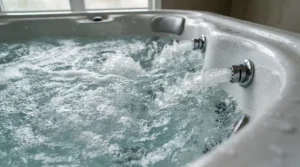
Beyond electrics, basic water safety habits matter more than people expect: never leave young children unsupervised near a filled tub even briefly, keep the lockable cover secured when not in use, and maintain the sanitiser balance the manufacturer specifies rather than guessing. For anyone with underlying heart conditions or who is pregnant, checking with a GP before regular hot tub use is sensible, given the combination of heat and buoyancy affects blood pressure and circulation differently than a normal bath.
FAQ
❓ Is a hard shell hot tub better than an inflatable one?
❓ How long does a hard shell hot tub last?
❓ Do I need an electrician to install a hard shell hot tub?
❓ Are rotomoulded hot tubs as good as acrylic ones?
❓ How much does it cost to run a hard shell hot tub monthly?
Conclusion
Choosing between these seven models really comes down to answering two honest questions: how permanent do you want this to be, and what actually matters more to you, upfront cost or long-term running costs? If you want the lowest possible barrier to entry with genuine shell rigidity, the MSpa Tribeca and Canadian Spa Co. Calgary AI deliver that without much compromise. If you’re after the sweet spot of smart features and dual massage systems, the MSpa Oslo earns its mid-tier price. Anyone prioritising shell longevity and lower running costs over flashy extras should look hard at the RotoSpa Orbis — genuinely British-engineered and built to shrug off the worst of UK weather. And for households ready to invest properly in daily hydrotherapy, the Canadian Spa Co. London AI and Canadian Spa Co. Victoria AI represent the acrylic high-water mark on this list, with the Victoria AI’s 58 jets standing as the most serious therapeutic option here.
Whichever you choose, the research pays off the same way every time: check the insulation spec, plan your base and electrics properly before delivery day, and budget honestly for running costs rather than just the sticker price. Do that, and a hard shell hot tub genuinely earns its keep for a decade or more rather than becoming next year’s Marketplace listing.
✨ Ready to bring the spa experience home?
Compare current prices on the models above and find the one that actually fits your garden, your budget, and how you’ll really use it! 🛁
Recommended for You
- Inflatable Hot Tub For Cold Weather: 7 Best Insulated Picks (2026)
- Square Inflatable Hot Tub: 7 Best Picks for UK Gardens (2026)
- Family Size Inflatable Spa: 7 Brilliant 6 Person Hot Tubs (2026)
Disclaimer: This article contains affiliate links. As an Amazon Associate, I earn from qualifying purchases. If you purchase products through these links, we may earn a small commission at no additional cost to you.
✨ Found this helpful? Share it with your friends! 💬🤗
